Adopt-A-School

What is ASP?

The Adopt-A-School Program, which started in 1998, Republic Act 8525, was created to help generate investments and support for education outside the mainstream funding and the national budget. It is a mechanism that provides opportunities for the private sector to collaborate and build a strong partnership in education by providing support and assistance for public schools. This supports the schools in any of the following areas: infrastructure, health and nutrition, teaching skills development, computer, and science lab equipment, and learning support.

Adopt-A-School

Who Can Be An ASP Partner?

Any private individual, group, or organization can be an ASP partner

  • The private entity must have a credible track record.
  • Must be in existence for at least one (1) year as shown by a certificate of registration with the Securities and Exchange Commission (SEC), with the Cooperative Development Authority (CDA), or Department of Trade and Industry (DTI)
  • Has not been prosecuted and found guilty of engaging in any illegal activities nor being part of the tobacco industry.
  • The private entity must share the thrust and values promoted by DepEd
  • Any individual with great intention of helping the school community to deliver basic education through its support and donations.


What are the BENEFITS of an adapting entity can avail?

Partnership, through ASP, provides mutual benefits between the DepEd and the adopting private entity. The DepEd schools improved through the support outsourced from the adopting entity. In return, the adopting entity may avail of the following benefits​:

  • 150% tax deduction from gross income
  • Exemption from payment of Donors’ Tax
  • Duty/tax-free importation for foreign donations
  • Emblazoned name in adopted schools
  • Strengthened corporate image and goodwill within the school community.
  • Recognized as partners and stakeholders of the Division during Education Summit.

Brigada Eskwela

What is Brigada Eskwela?

Brigada Eskwela or the National Schools Maintenance Week is an annual program nationwide initiative by the Department of Education (DepEd) two weeks prior to the official opening of classes. Through mobilizing thousands of parents, alumni, civic groups, local businesses, non-government organizations, teachers, students, and individuals who volunteer their time and skills to do repairs, maintenance work, gardening and landscaping, and clean-up of public elementary and secondary schools. I t brings together community members and volunteers to ensure that schools are clean, disaster-prepared, safe, and conducive to learning.

Brigada Eskwela

What Can We Contribute to Brigada Eskwela?

We can volunteer or donate resources in schools and learning centers.

  • Support the schools by addressing school needs and gaps.
  • Clean school grounds and other school facilities including canteens, clinics, and libraries.
  • Repair and repaint classrooms, wash facilities, doors and windows, chairs, and clinics.
  • Donate school supplies, teaching materials, health and hygiene supplies, and emergency and first aid kits.


In-Kind Donations

Monetary donations can be deposited to:

Bank : RCBC

Bank Branch : General Trias City, Cavite

Savings Account : 0000009045772530

Account Name : Leah Anne A. Misenas and Alma C. Cruzada

Swift Code : RCBCPHMMXXX

In-Kind Donations

Project ISSHED

Test Subtitle AJAX

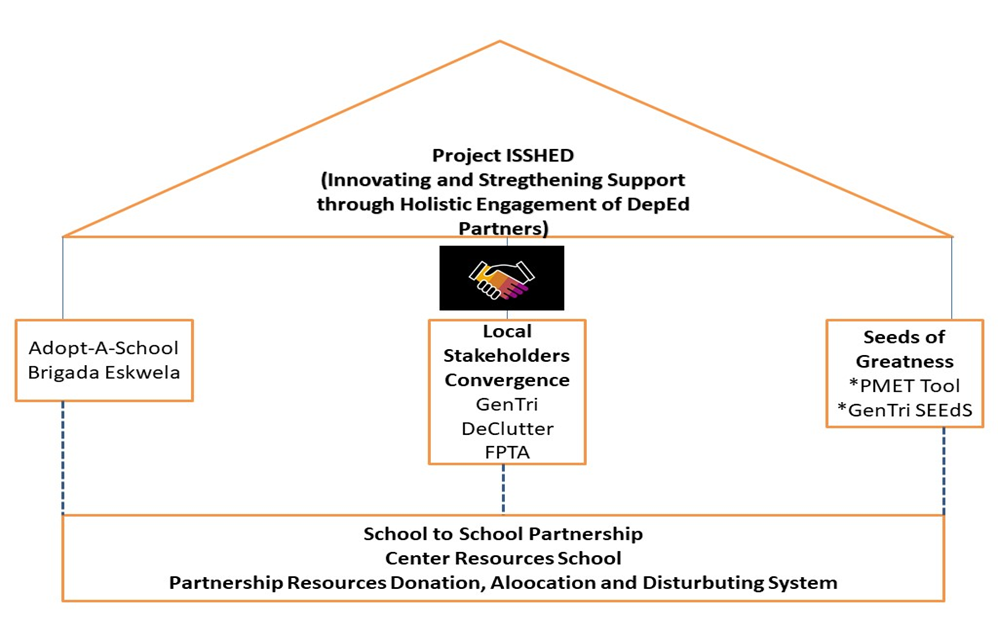
Project ISSHED (Innovating and Strengthening Support through Holistic Engagement with DepEd Partners) is a driven heart of the Social Mobilization and Networking Unit to establish partnerships to provide education for children and address the division challenges and gaps. Ensure to provide/establish and sustain a partnership to generate resource support for learners through tapping partners for the advocacy campaign, and info dissemination of the different projects of the division. Strengthen active collaboration with key stakeholders, through engagement in Education Forum as a multi-stakeholder platform for consultation, collaborative research, and analysis, as well as high-level advice on strategic basic education policy, maximum utilization of SEF and proper allocation based on needs and priority, and strengthened mechanism for a partnership information system.


Project ISSHED

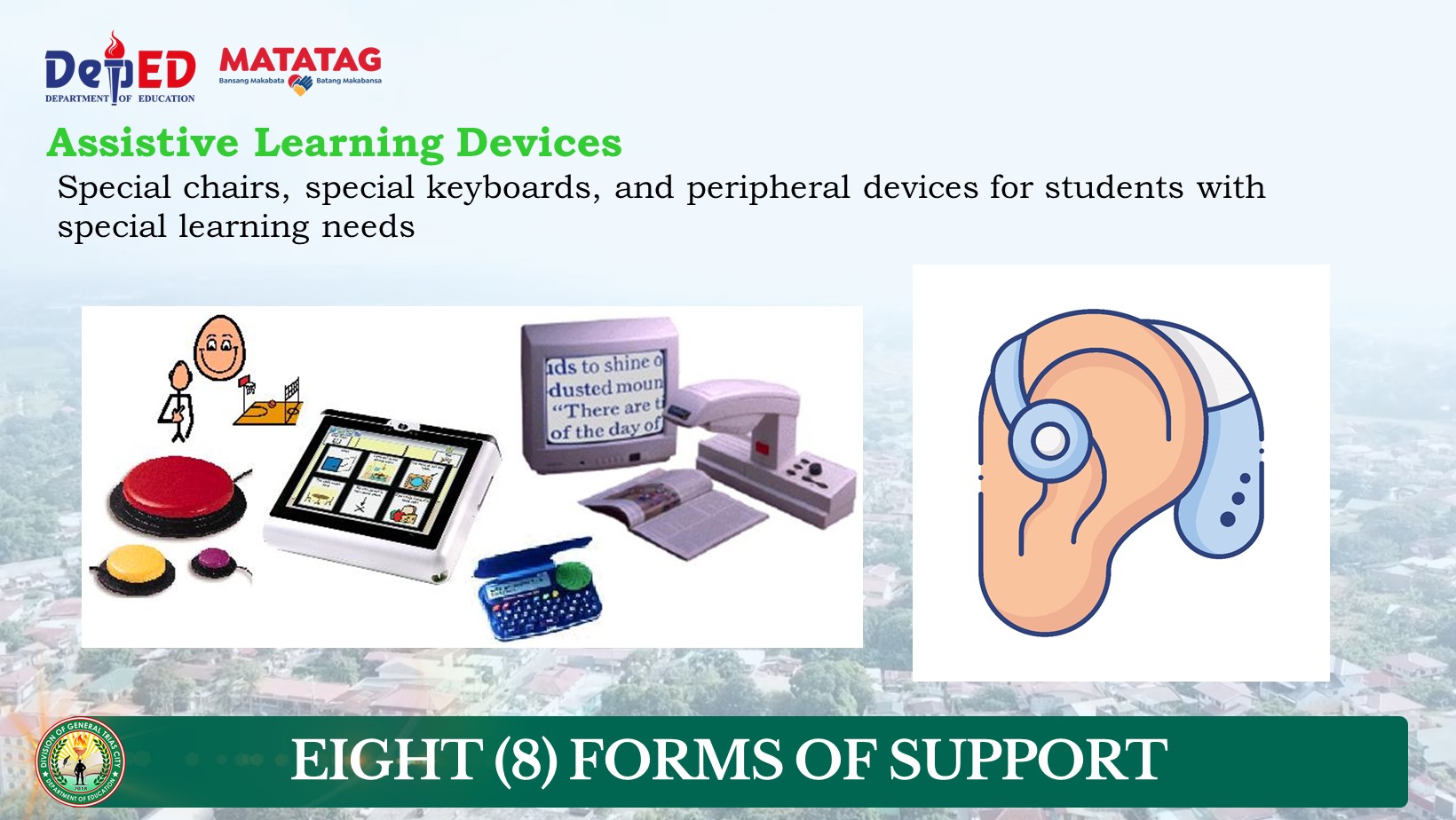
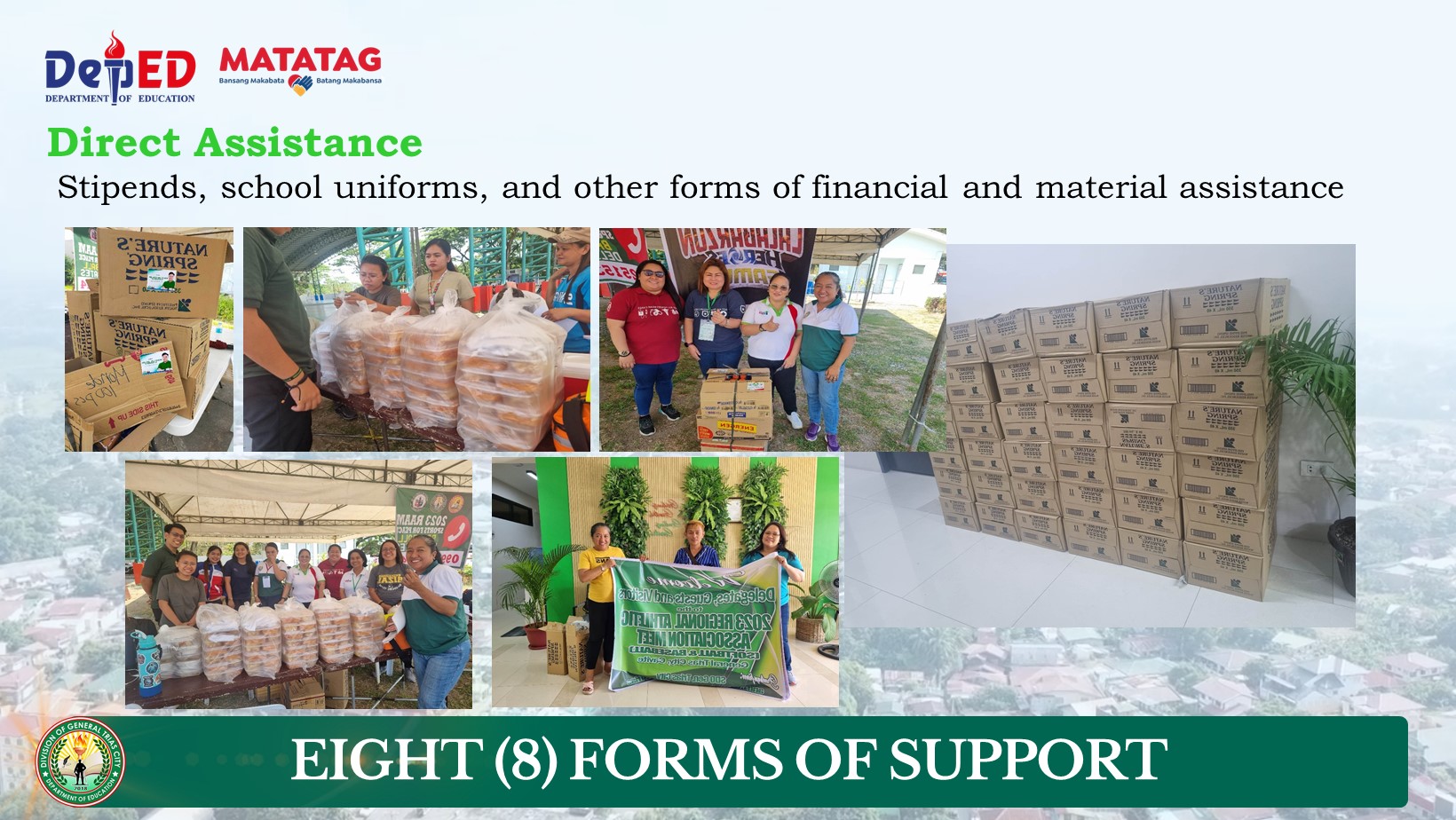
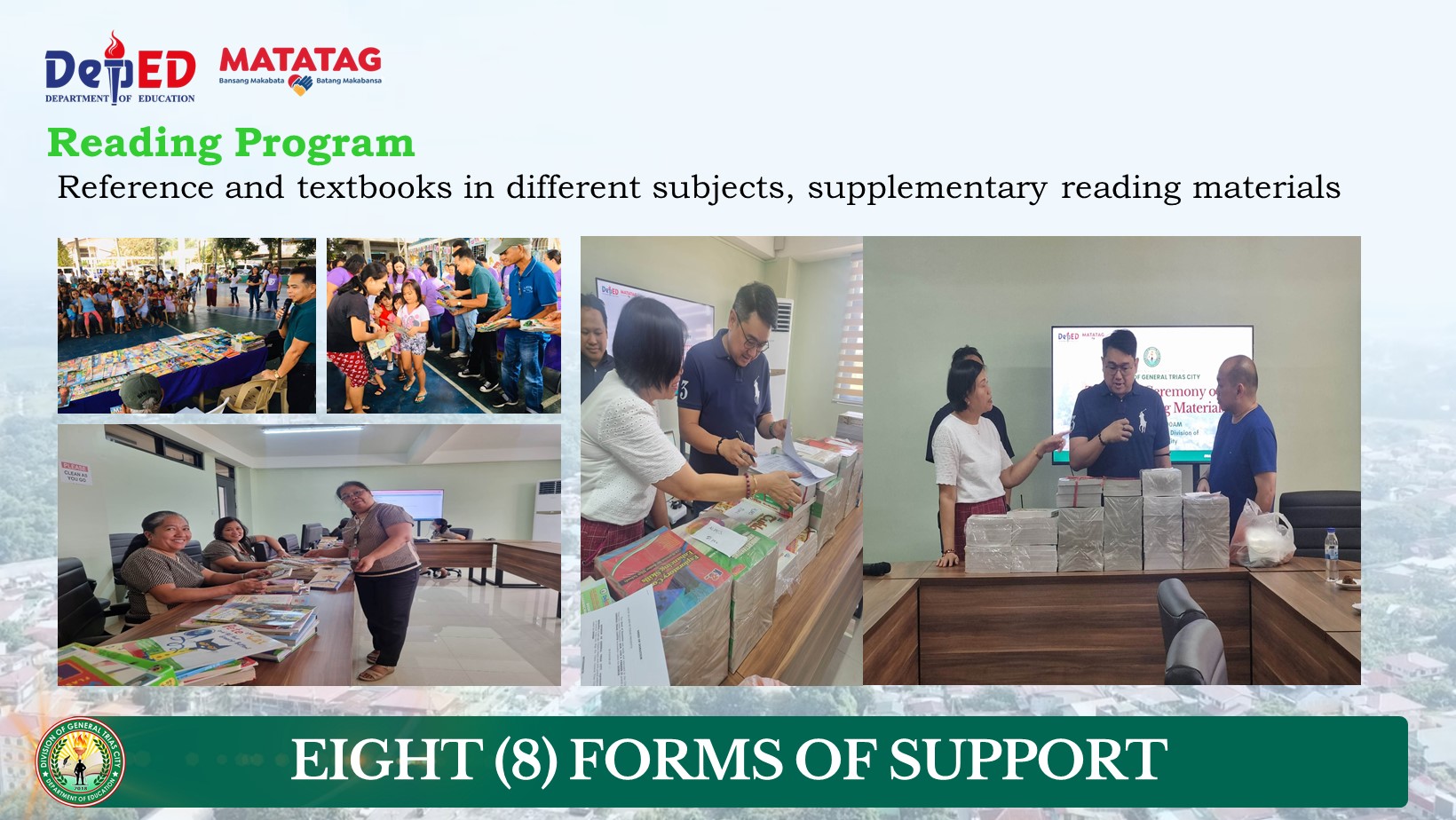
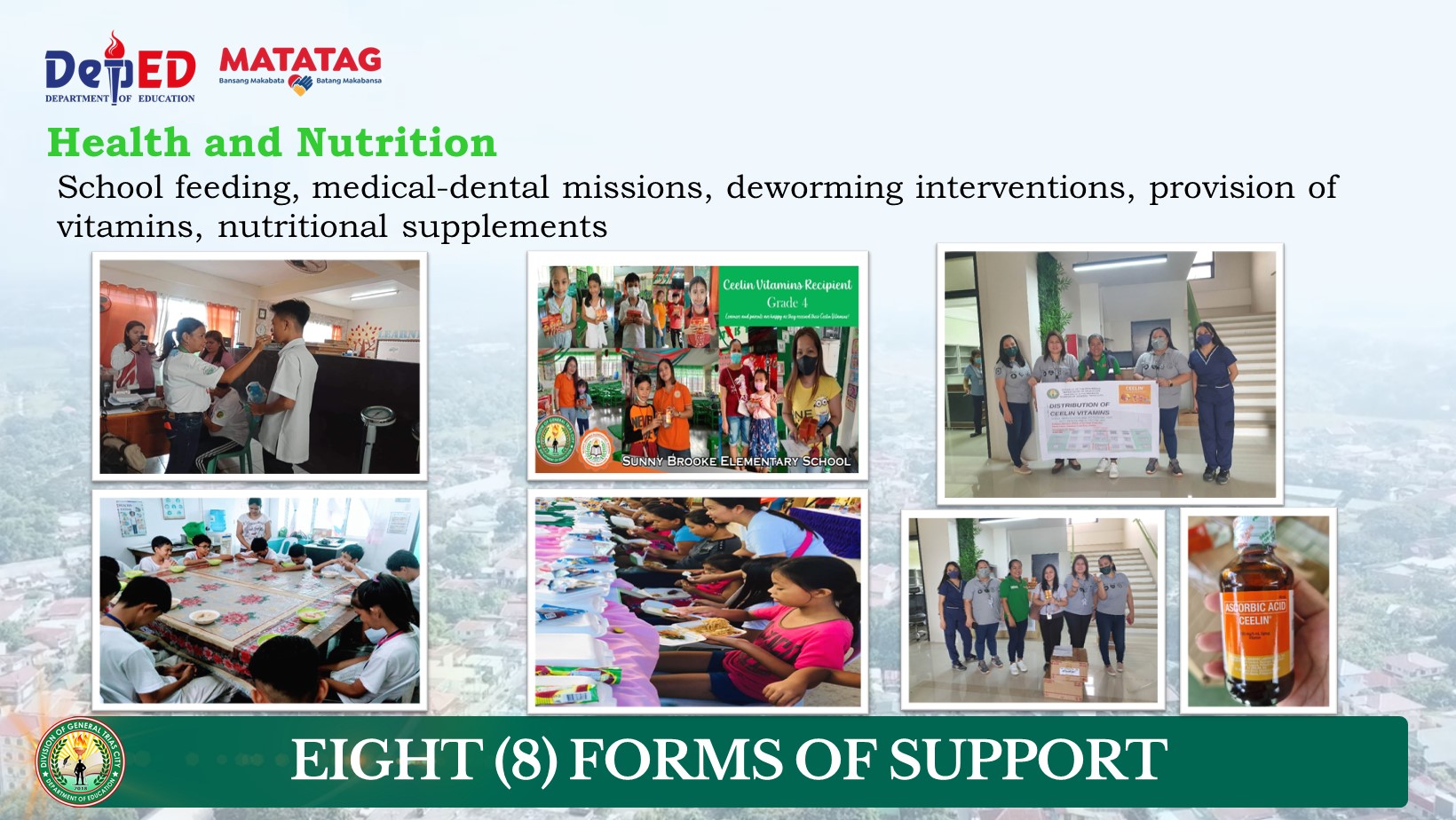
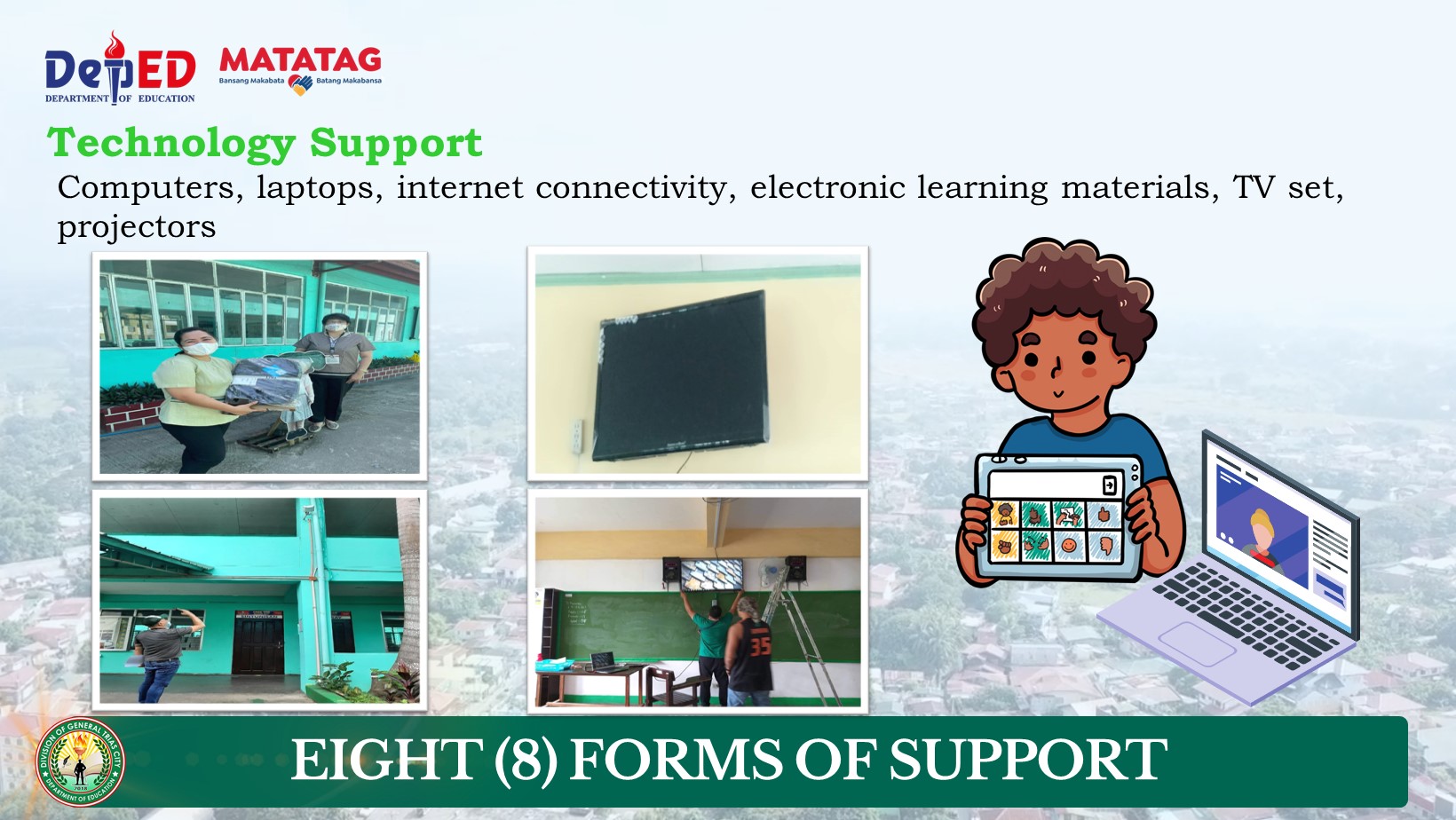
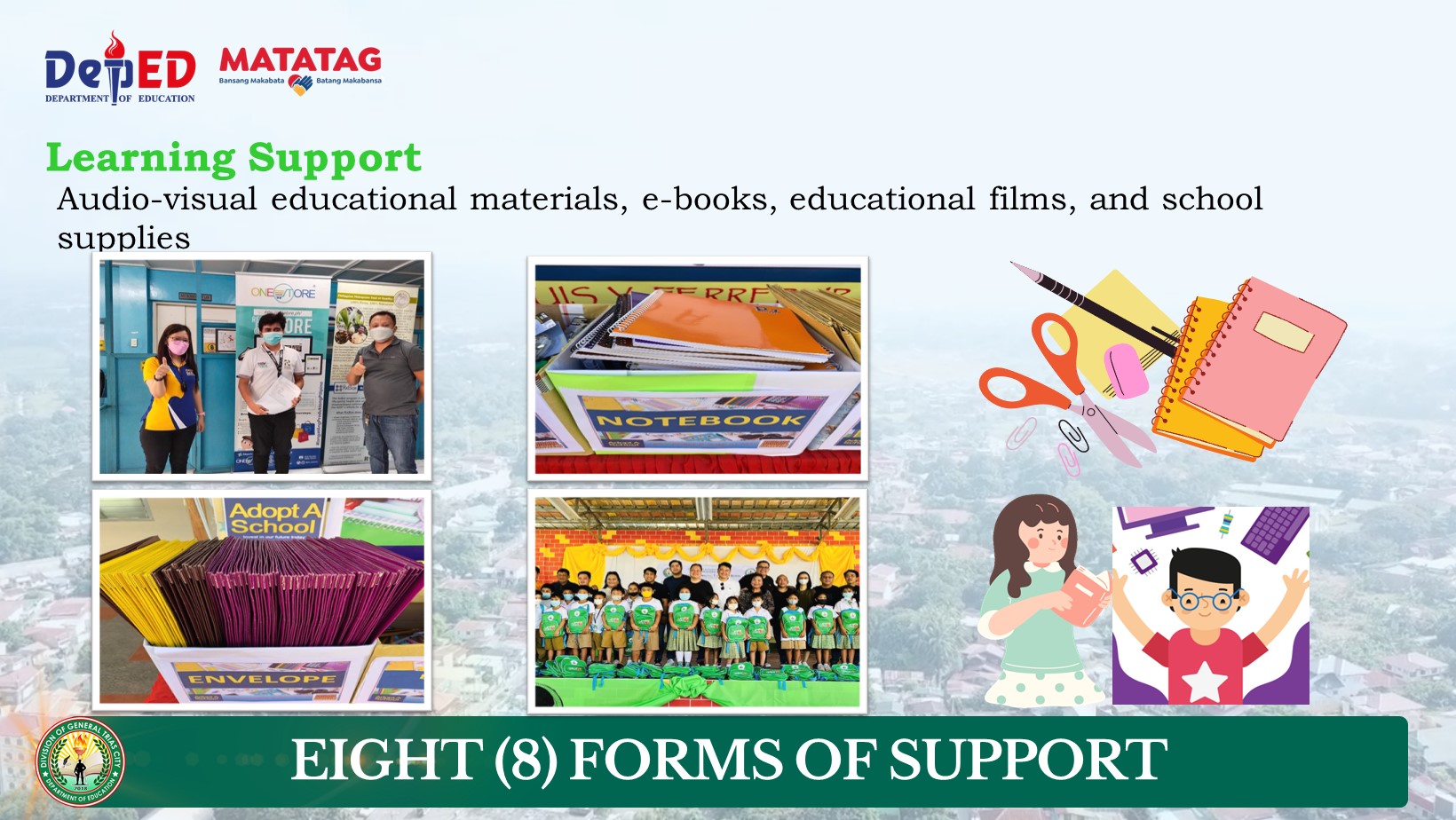
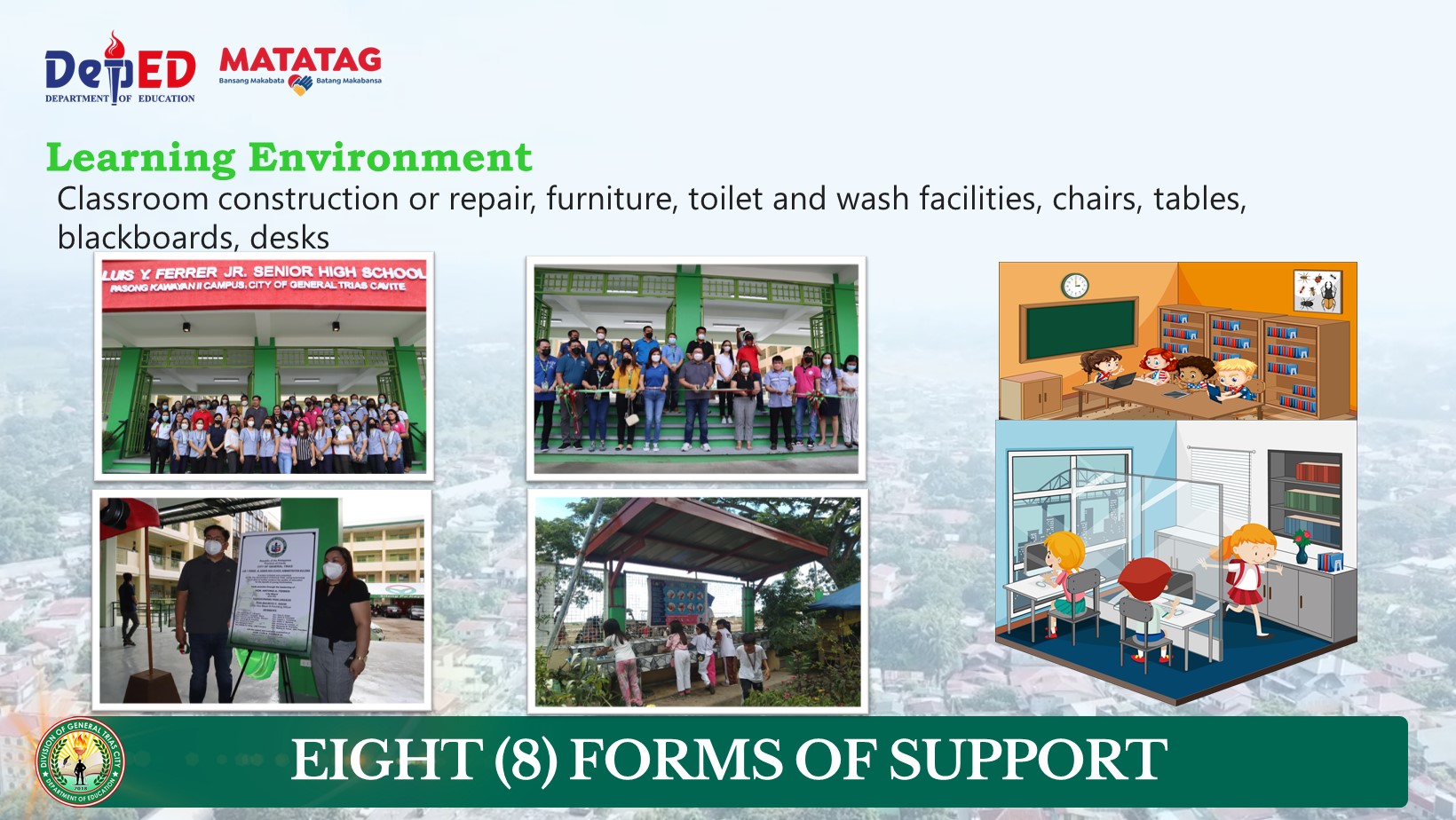
Eight (8) Forms Of Supports